 AI Strategy
How to Implement AI in a Small Business, Step by Step
Seven steps from naming an owner to deciding whether to roll a tool out, built on NIST's AI framework and Canada's privacy principles, with a one-page record to keep.
Read more → AI Strategy
Who's Accountable, and Who Benefits? The AI Question Saskatoon Is Already Asking
People in Saskatoon are asking who is accountable for Saskatchewan's AI data-centre boom, and who benefits. What that means for local contractors and shops.
Read more → AI Strategy
If the Menu Photo Is Fake, Why Trust the Sandwich? A Supercrawl Question in Hamilton
A Hamilton post asked why Super Crawl food trucks were using AI menu photos. When a picture stands in for real work, trust gets thin. How to use the tools without that.
Read more → AI Strategy
How Does a Moncton Business Start With AI When There Is No Local Thread?
Moncton has no local getting-started thread about AI. The loudest nearby story is a regional data-centre fight. How to start with a real task anyway.
Read more → AI Strategy
Can AI Read Your Contract? What Toronto Contractors Should Know First
AI contract review led the TCA's latest innovation panel, and the OGCA just released AI rules for contractors. What AI does well with a contract, where it falls short, and a better first use.
Read more → AI Strategy
Will Your Field Team Use AI Well? The Question Edmonton Contractors Are Asking
The Edmonton Construction Association now teaches AI to superintendents and foremen. Where it helps with daily reports, safety briefings and look-aheads, and where Alberta's OHS rules draw the line.
Read more → AI Strategy
Who Owns Your Project Data? The AI Question Calgary Contractors Are Finally Asking
At BUILDEX Alberta, superintendents, estimators and PMs asked about setup time, fit with their existing software, and who owns the data. A practical way to answer all three before buying.
Read more → AI Strategy
What Is a Data Centre, and Does Fredericton Need One?
People in Fredericton asked what a data centre is, whether they need one, and what it means for power and water. Those questions are not the same as trying a tool at work.
Read more → AI Strategy
Where Can You Learn AI in Halifax if You Don't Trust Random Online Courses?
A Halifax post asked where to learn AI and prompting locally, without trusting random online courses, and without a single use case yet. What is actually here, and how to start anyway.
Read more → AI Strategy
Your Boss Wants AI to Read a Devis Faster. A Quebec Question, Seen From Quebec City
A construction employee in Quebec was asked to use AI to pull useful information from a devis. The question was provincial, not tagged to Quebec City, and it still applies here.
Read more → AI Strategy
What Do You Do When a Montreal Employer Asks You to Find AI Use Cases?
A Montreal workplace thread asked what to do when an employer wants AI use cases, but there is no clear need. Start from a real task, or say the need is not there yet.
Read more → AI Strategy
Que faire quand un employeur à Montréal vous demande des cas d'usage d'IA?
Un fil montréalais demande que faire quand l'employeur veut des cas d'usage d'IA sans vrai besoin. Partez d'une vraie tâche, ou dites que le besoin n'est pas encore là.
Read more → AI Strategy
Want to Learn AI With Other People in Ottawa? A Practical Place to Start
In 2023, people in Ottawa asked to learn AI with a study partner, not alone. What that means now, and a construction course that answers it.
Read more →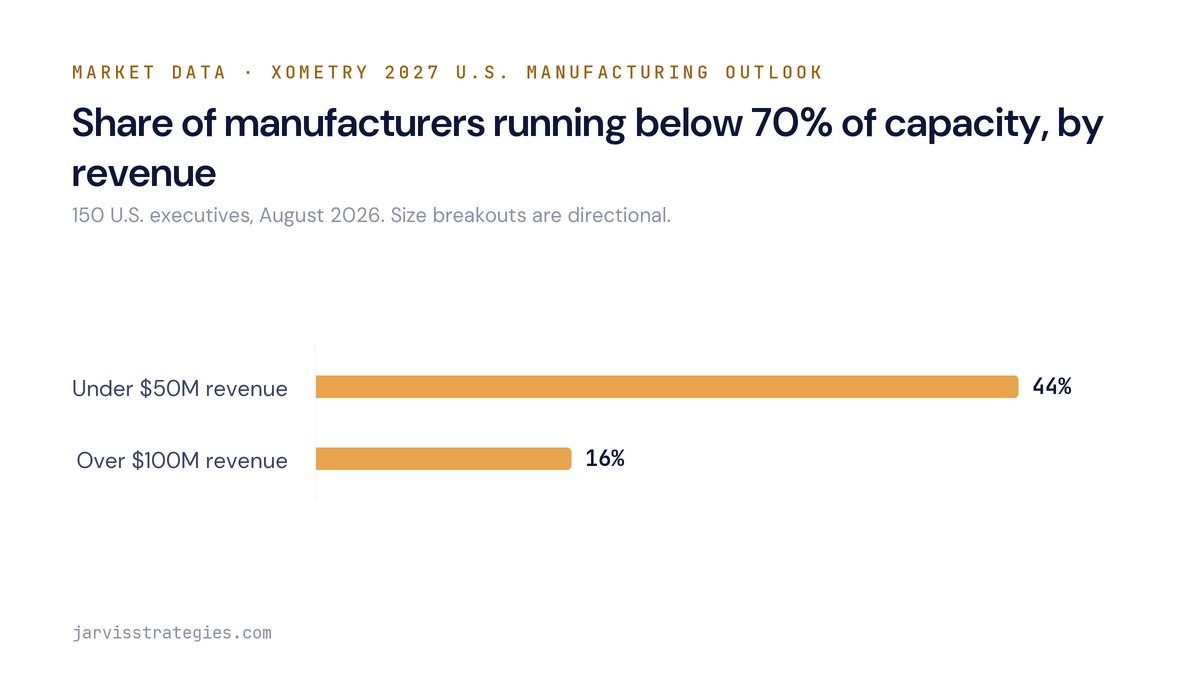 Market Data
Small Manufacturers Are Sitting on Idle Machines. The Fix Starts at the Quote.
Small shops run far more idle machine time than big plants, and the idle ones say the problem is finding work. Executives expect AI to help most at quoting, before a part is cut.
Read more →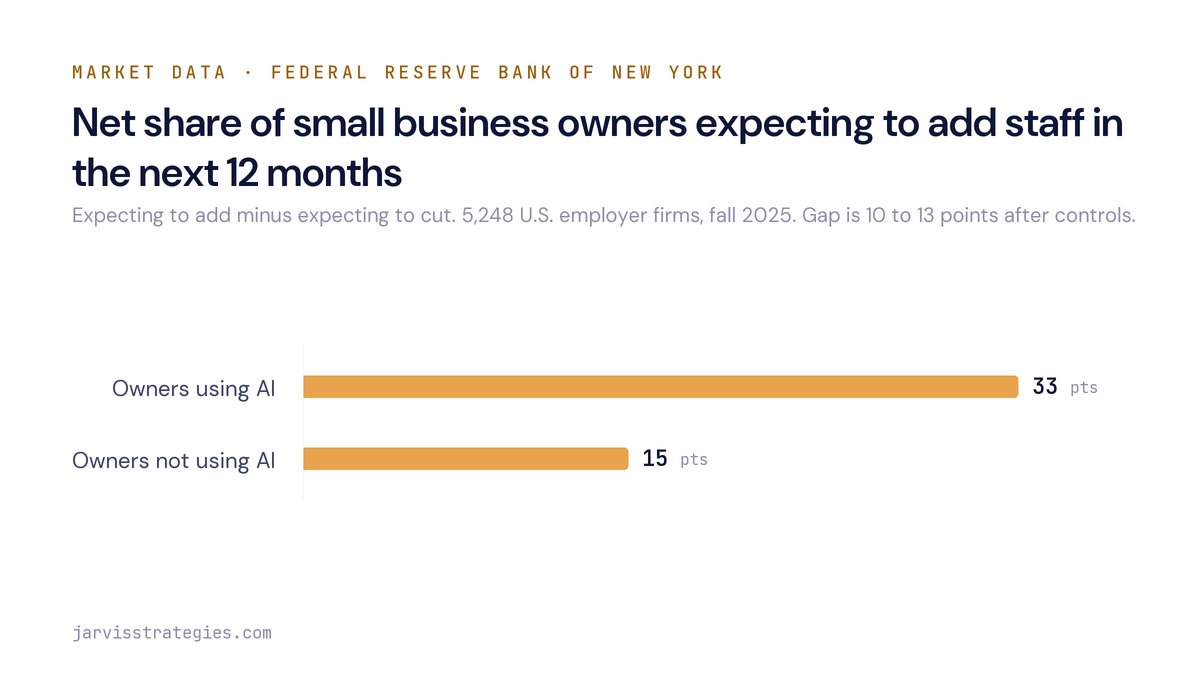 Market Data
The Owners Using AI Expect to Hire, Not Cut. A Fed Survey Puts Numbers on It.
A Federal Reserve survey of 5,248 small employers finds AI users lean toward hiring, not cutting. Most also say AI hasn't changed their labour costs. What that means for a small crew.
Read more → AI Strategy
What's the Future for Jobs in Thunder Bay? A Realistic Path in a Small Market
A Thunder Bay thread asked which jobs AI will take, and what the new path is. What a community group and a local hackathon actually show, and what they do not.
Read more →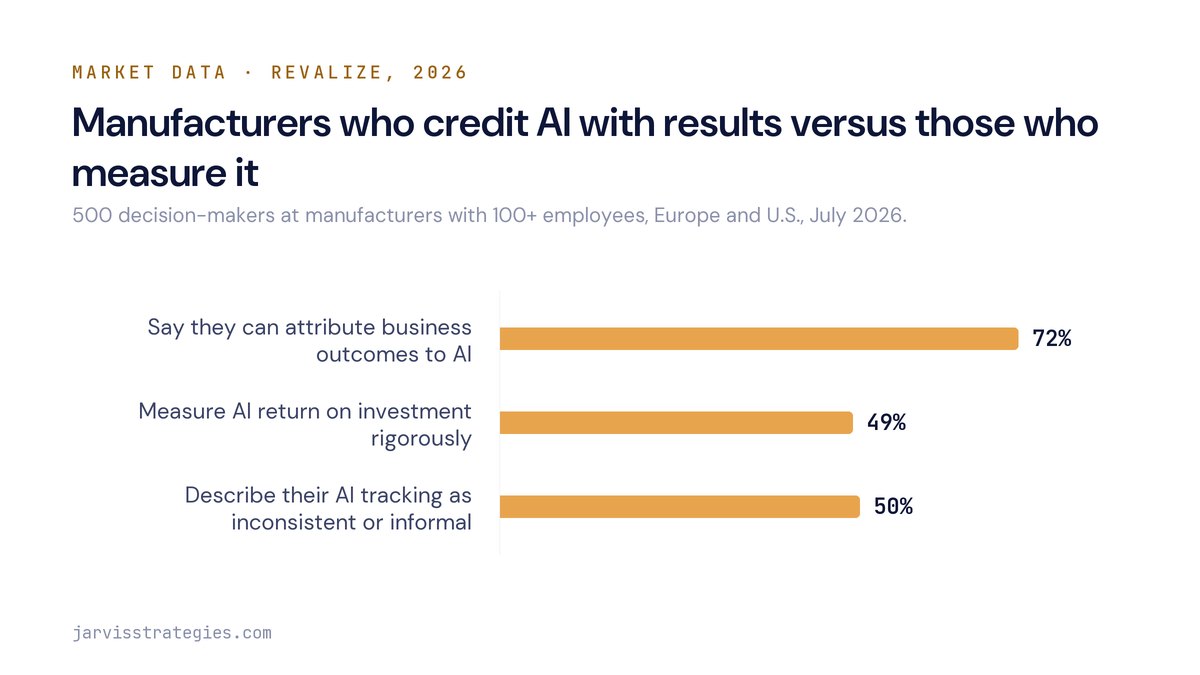 Market Data
Manufacturers Say AI Is Paying Off. Half Can't Show the Numbers.
Most manufacturers credit AI with results. About half measure the return rigorously, and executives report far more progress than the managers running the work.
Read more → AI Strategy
Are There AI Jobs in Winnipeg? What to Do if the Answer Feels Like No
People in Winnipeg have asked whether there are AI job opportunities here, and graduates have struggled to find them. What that means for AI training, a consultant, and the work you already do.
Read more → AI Strategy
Build or Buy? The AI Question Regina Manufacturers Are Asking
A Saskatchewan manufacturers' session asked whether to buy ready-made AI tools or build your own. A practical way for Regina shops to decide, and what to keep human.
Read more →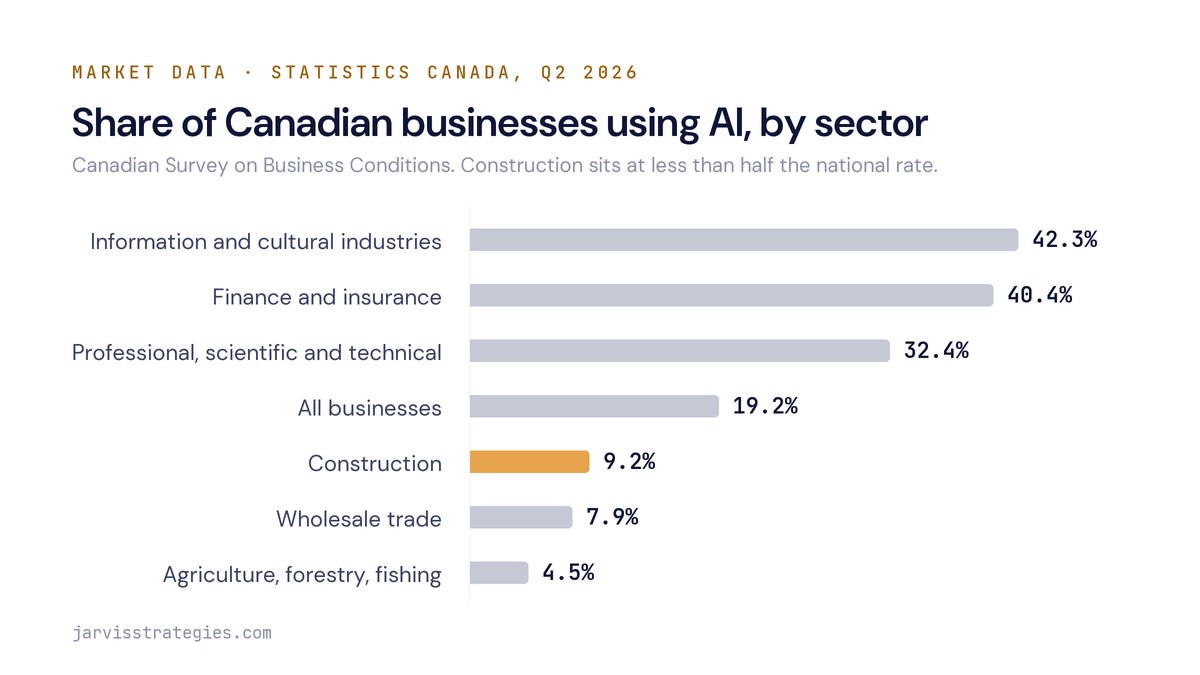 Market Data
Construction Sits Near the Bottom of Canada's AI Adoption Numbers
Federal survey data puts construction at 9.2% AI adoption against a national rate of 19.2%. Rural and small firms trail too, and 40% of businesses call AI irrelevant.
Read more → AI Strategy
What Can You Use Monday Morning? The AI Question Vancouver Island Contractors Are Asking
Vancouver Island's construction association is teaching contractors what AI is and which tools they can use Monday morning. A practical first step for Victoria and Island firms.
Read more →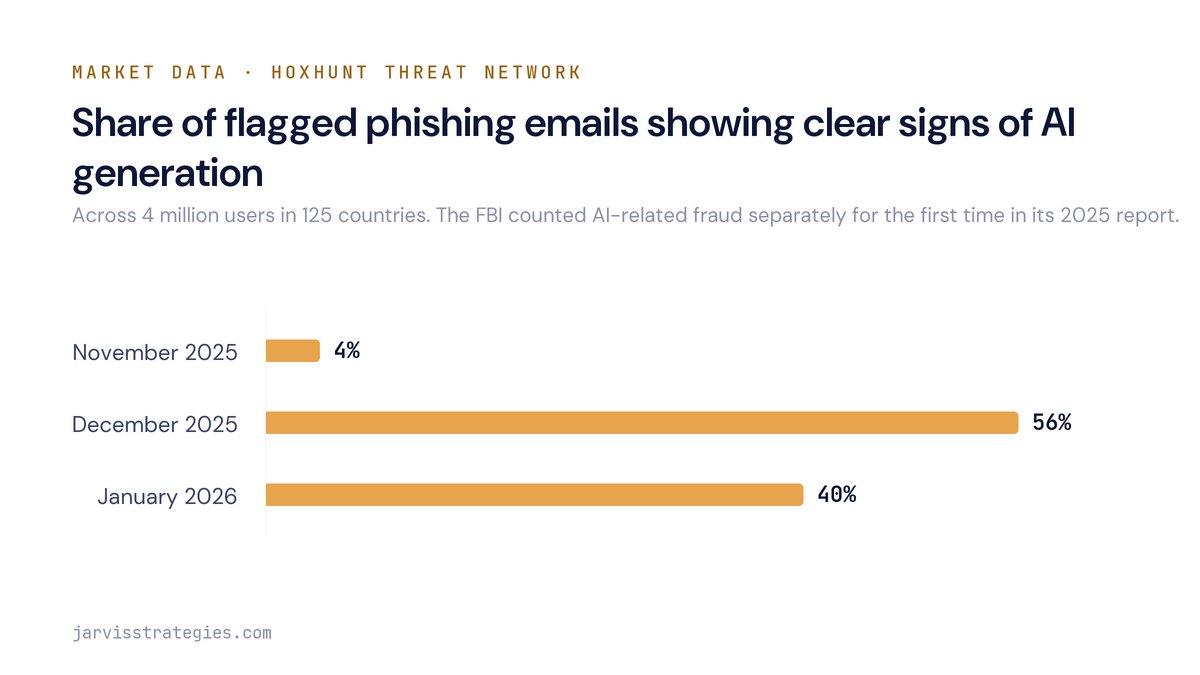 Market Data
AI Fraud Now Has Its Own Line in the FBI's Annual Report
AI-written scams got convincing enough that the FBI started counting them separately. Why fake supplier emails are a construction problem, with Canadian figures too.
Read more → AI Strategy
Automate, Assist or Keep Human? The AI Question Vancouver Contractors Are Asking
The VRCA's AI sessions this fall asked leaders to decide what to automate, assist or keep human. A practical way to sort your own tasks, with Lower Mainland context.
Read more →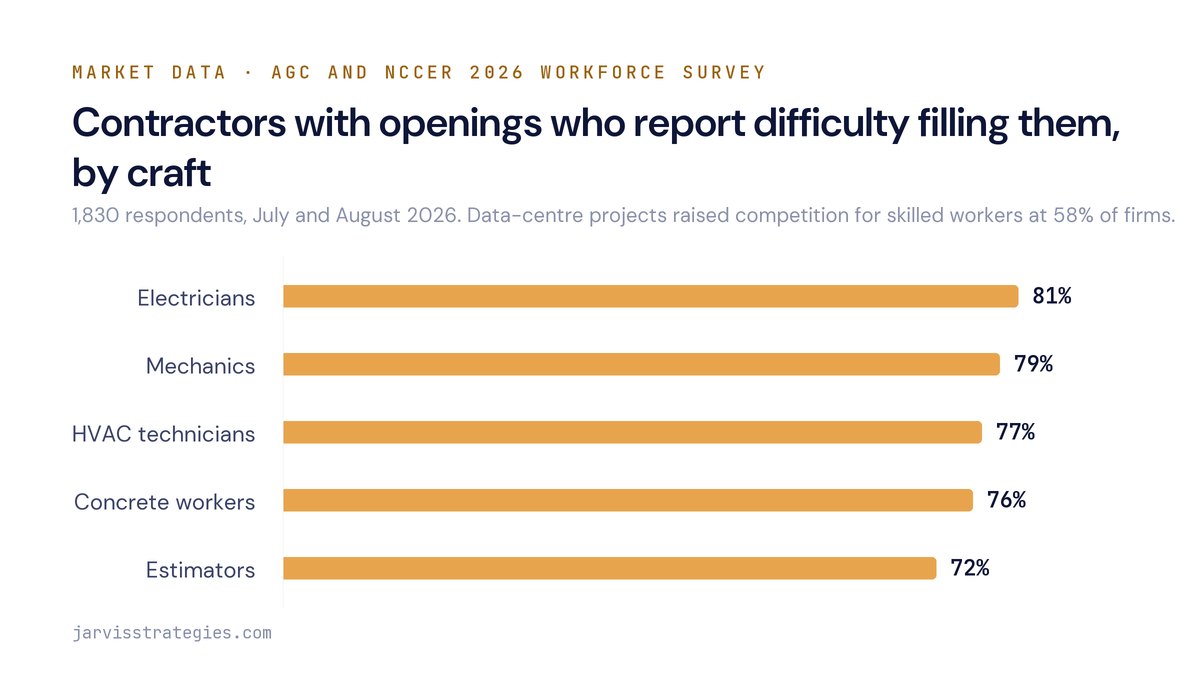 Market Data
The AI Boom Is Reaching Contractors Through the Hiring Market
Data-centre construction is competing for the same electricians and HVAC techs smaller contractors need. The AGC and NCCER numbers, and what they mean for a small firm.
Read more →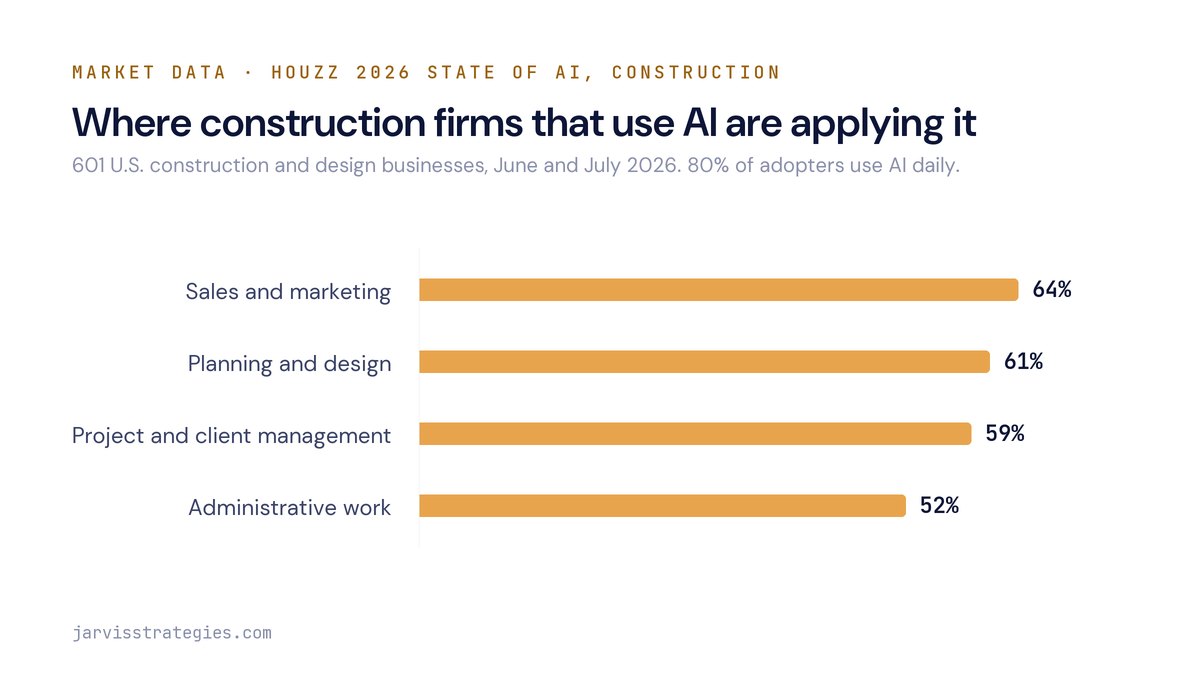 Market Data
Construction Firms Now Use AI Daily, and Not Just for Estimates
Among construction firms that have adopted AI, most now use it every day, and well beyond the estimate. A look at the Houzz data, with its caveats up front.
Read more →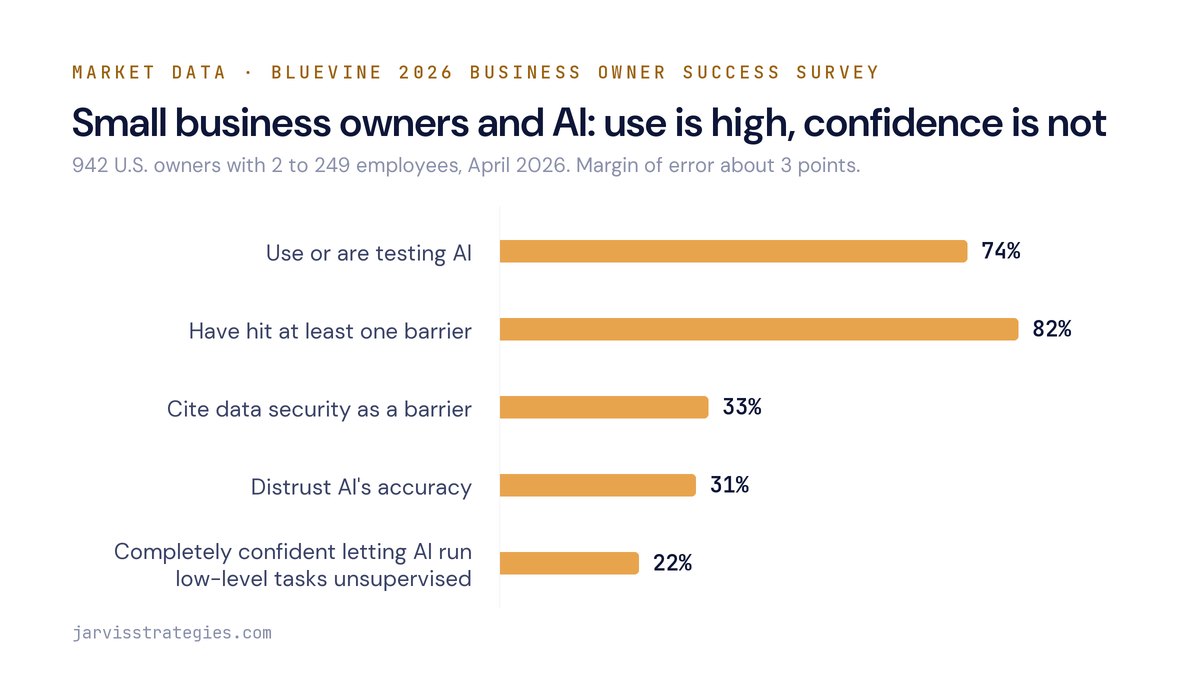 Market Data
Most Small Businesses Already Use AI. Trust Is What Stops Them Going Further
Three in four small business owners have started with AI. Most have hit a wall since, and the wall is mostly about trust, not cost.
Read more →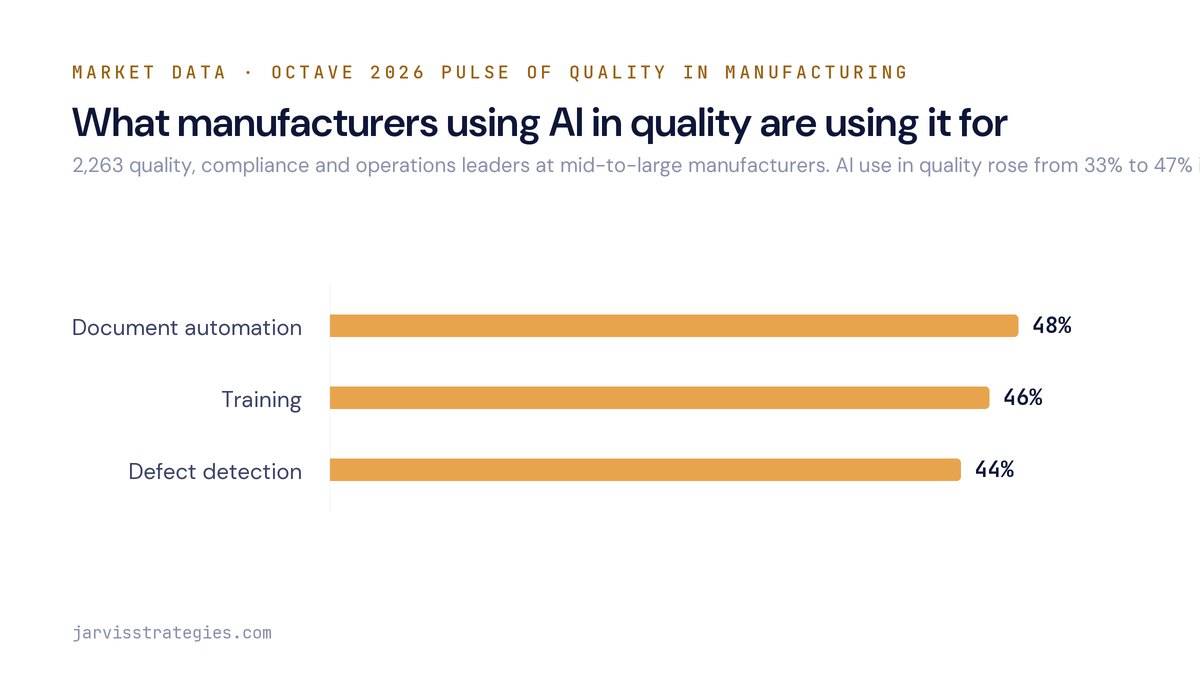 Market Data
Why Manufacturers Are Putting AI on the Quality Line
AI in quality inspection jumped from 33% to 47% of large manufacturers in a year. The drivers are recalls, tariffs and a shortage of experienced inspectors.
Read more →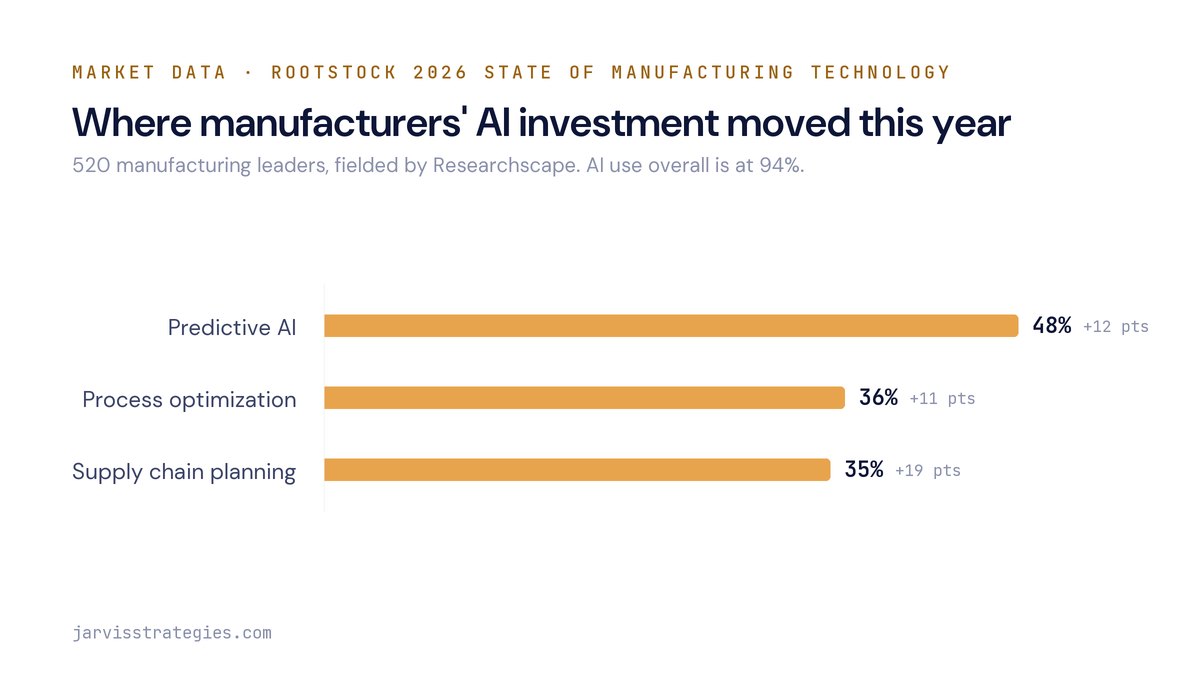 Market Data
Manufacturing AI Use Hit 94%. Where the Budget Went Is the Real Story
Nearly every manufacturer now uses AI in some form. The useful questions are where the investment is going and what's stopping it from scaling past the pilot.
Read more →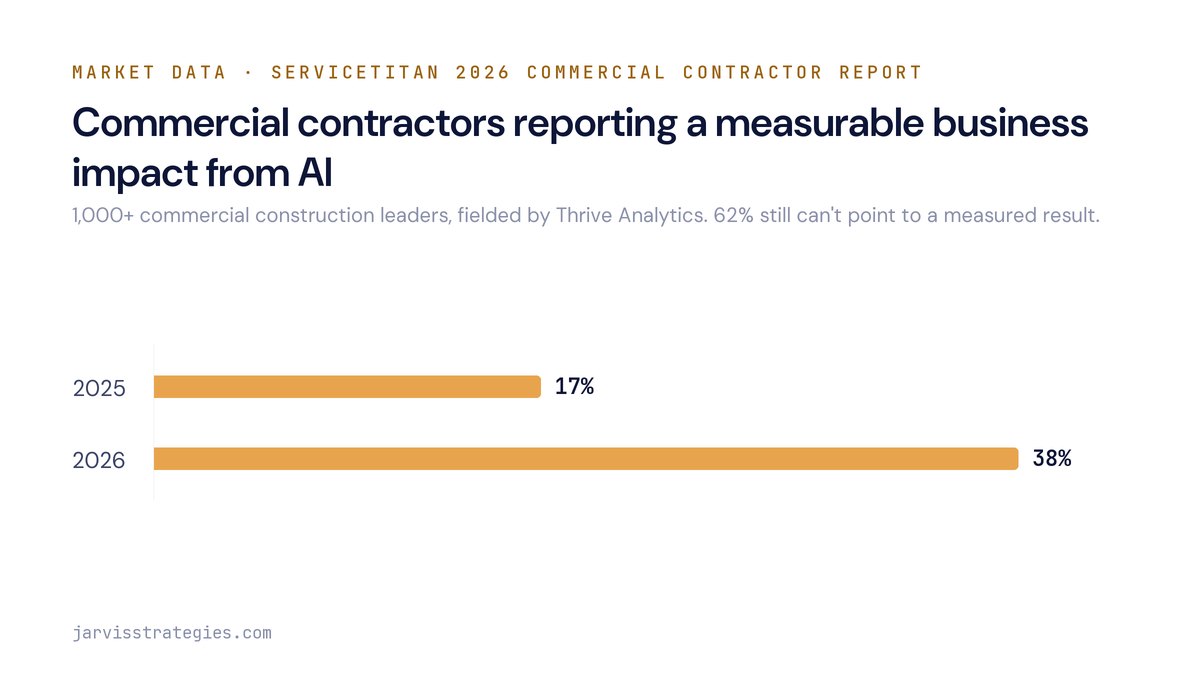 Market Data
AI Adoption in Construction Doubled. Most Contractors Still Can't Prove It Worked.
Measurable AI impact among commercial contractors jumped from 17% to 38% in a year. The more useful number is the 62% who still can't point to a result.
Read more → AI Strategy
How Long Does AI Implementation Actually Take?
Two weeks or six: what actually determines the timeline, and why it's a scope decision, not a technology one.
Read more → AI Strategy
Can AI Help With Construction Safety? The Question Kelowna Contractors Are Asking
The BC Construction Safety Alliance ran an AI breakfast in Kelowna on safety documentation and communication. What a tool can draft, and what still stays with you.
Read more →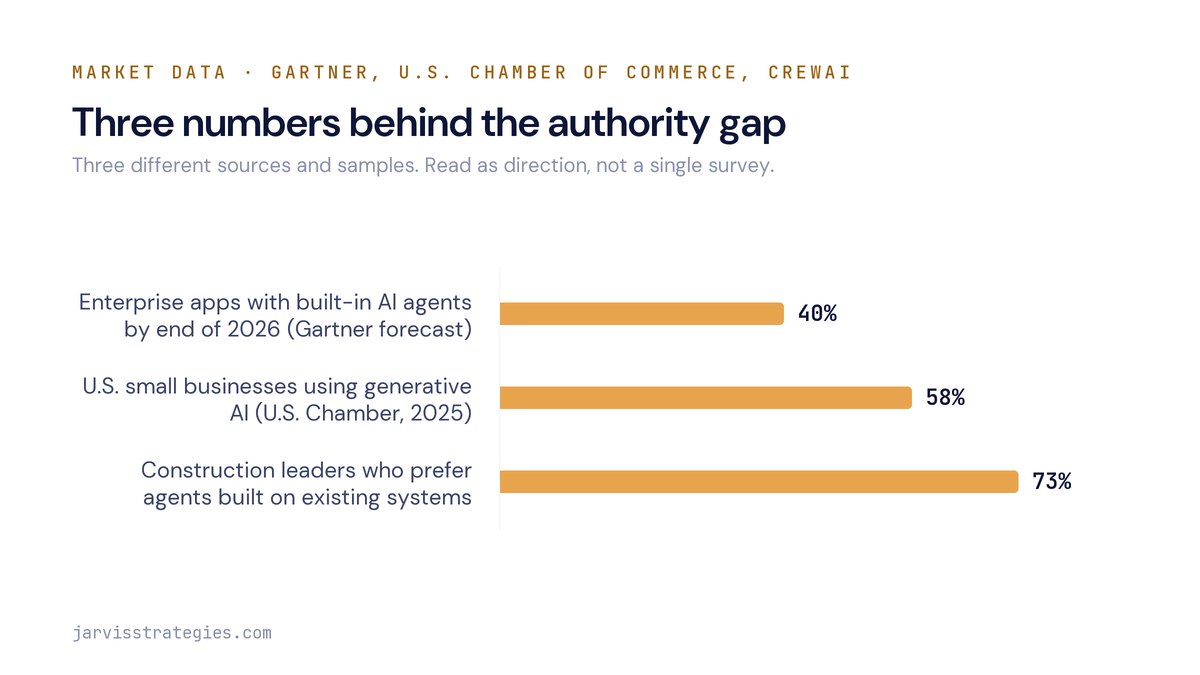 Market Data
Your Software Can Now Act Without You. Most Owners Haven't Decided What It's Allowed to Do.
AI stopped answering questions and started taking actions inside business software. Most owners haven't decided what it's allowed to do without them, and the default settings are deciding for them.
Read more → AI Strategy
What Does an AI Readiness Assessment Cost?
The assessment itself is free. Here's what actually drives the cost of what comes after it, and why the number varies so much between businesses.
Read more → AI Strategy
AI Consultant vs. Hiring In-House: How to Decide
Before you post a job listing for an in-house AI hire, work through what the role would actually do all year. For most trades and construction businesses, the math doesn't favor it.
Read more → AI Strategy
AI for Subcontractor Coordination: A Practical Workflow for GCs
Daily site summaries, RFI triage, and schedule impact analysis eat hours from PMs and supers every day. Here's where AI helps GCs coordinate subs, and where it shouldn't touch the relationship.
Read more → AI Strategy
Feeling Overwhelmed by the Hype? The Practical AI Question Vernon Businesses Are Asking
A Vernon workshop asked for a practical AI plan, not more hype. How local contractors and shops can start small, protect client data, and keep their own voice.
Read more → AI Strategy
AI for Engineering Documentation: Reclaiming Engineer Time from Compliance Paperwork
Documentation eats engineering hours in regulated manufacturing. The AI-assisted workflow we designed for one electronics manufacturer, its 30-40% drafting-time target, and how the audit trail stays intact.
Read more → AI Strategy
AI for Construction Estimating: Where It Belongs (and Where It Doesn't)
Construction estimating is six jobs stacked together. Here's which ones AI genuinely helps with, which ones it can't touch, and the workflow pattern that keeps accuracy intact.
Read more → AI Strategy
How to Cut Construction Proposal Turnaround from Days to Hours with AI
Five RFPs a week can eat a full-time estimator's schedule. The AI-assisted proposal workflow we designed for one excavation company, and its target of under 90 minutes of active staff time per proposal.
Read more →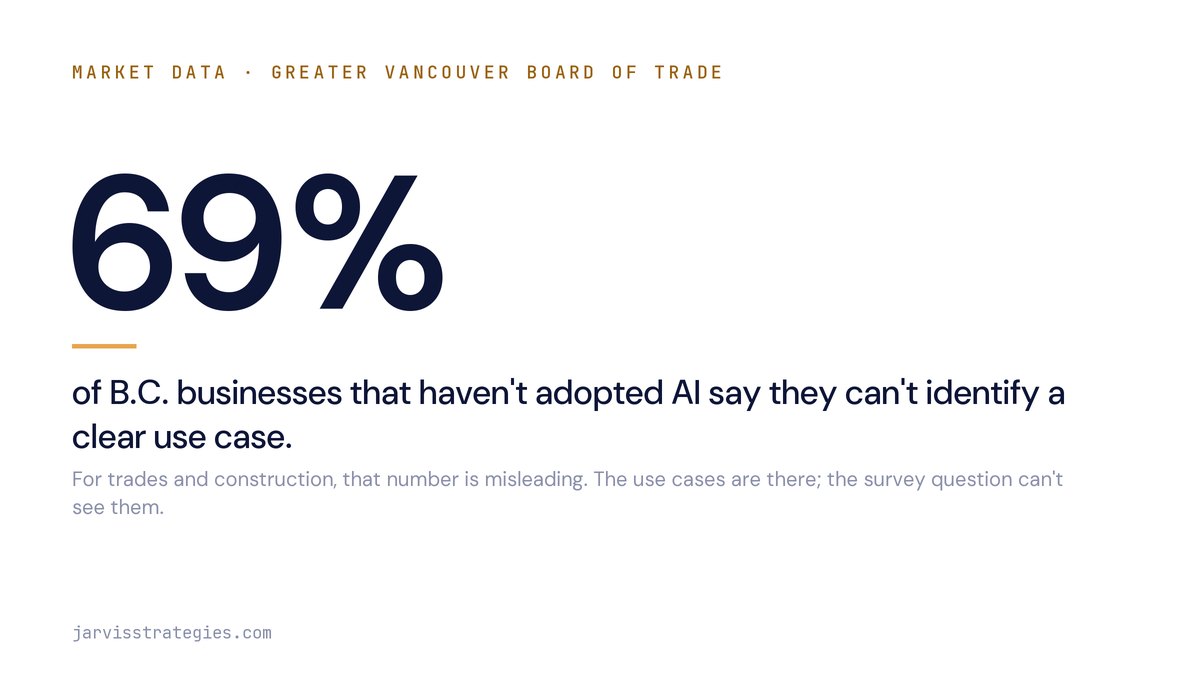 Market Data
What the GVBOT AI Report Missed About BC Trades and Construction
The GVBOT AI report says 69% of BC businesses can't find an AI use case. For trades and construction, that number is misleading, here's what the survey actually missed.
Read more →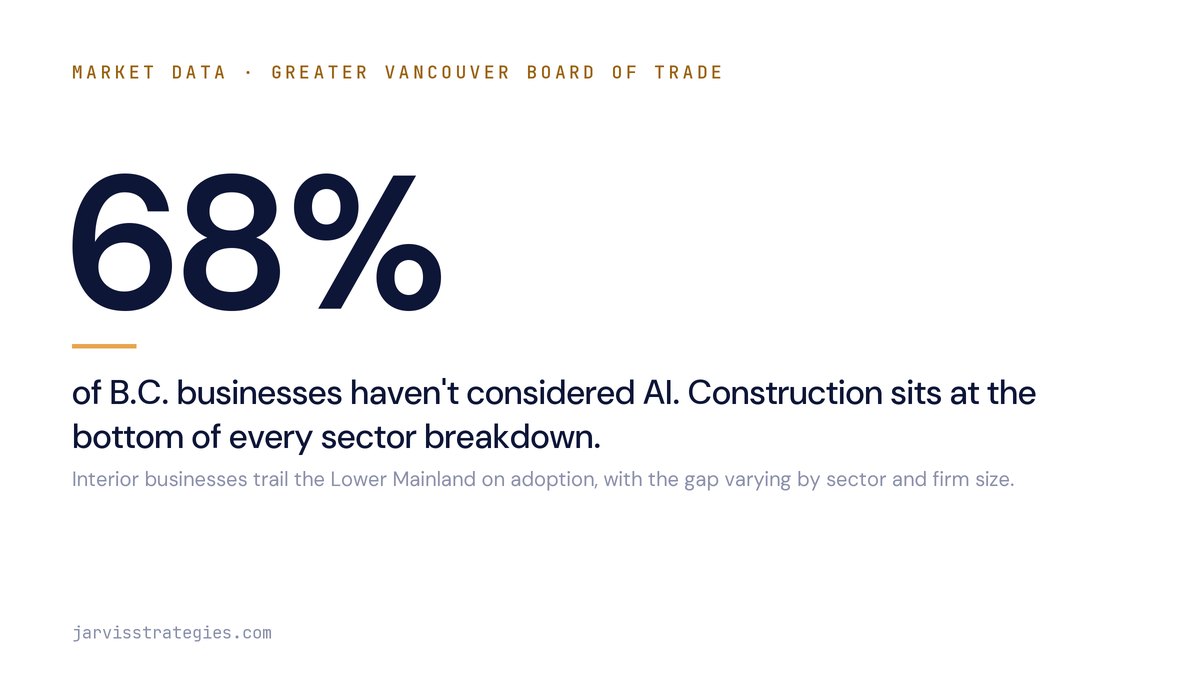 Market Data
AI Adoption in BC Construction: Why the Okanagan Lags Vancouver
BC construction lags every sector in AI adoption and the Okanagan trails the Lower Mainland. What the gap means for trades contractors in Vernon, Kelowna, and across the Interior.
Read more → AI Strategy
Where AI Actually Fits in a Trades Business
Most AI tools are built for tech companies. Here's how to find the handful that genuinely work for estimating, scheduling, and client communication in the trades.
Read more → AI 101
Okay, So Where Do You Actually Start?
Most businesses start with the technology and work backward to the problem. Here's why that tends to go badly, and what to do instead.
Read more →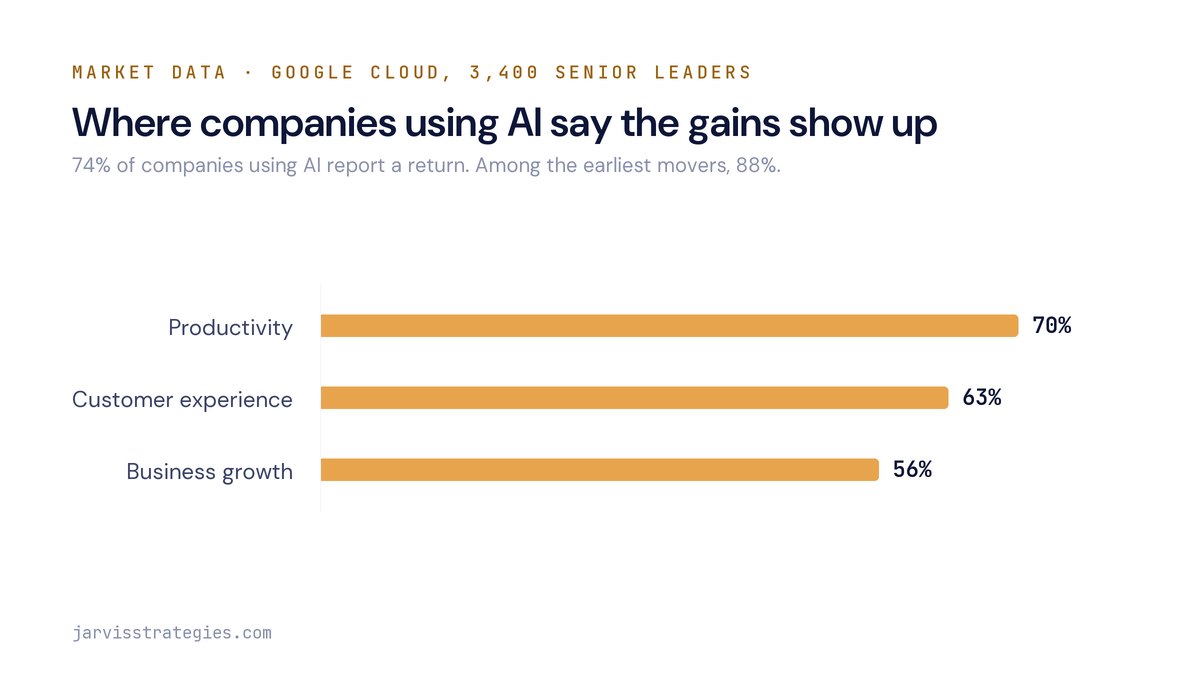 AI Strategy
The Businesses That Jumped In First Are Already Lapping the Ones Still Deciding
A Google Cloud survey of 3,400 business leaders found 74% of companies using AI are already seeing a return. What that means for Okanagan businesses.
Read more → AI 101
What Is an AI Agent?
AI assistants answer questions. Agents handle the whole thing. Here's what that distinction means, and why one in ten small businesses is already using them.
Read more → AI Strategy
World Models, Distillation Wars, and the Inevitable Convergence
While Western and Chinese AI labs fight over distilled model outputs, the actual next frontier requires something no single country can build alone.
Read more →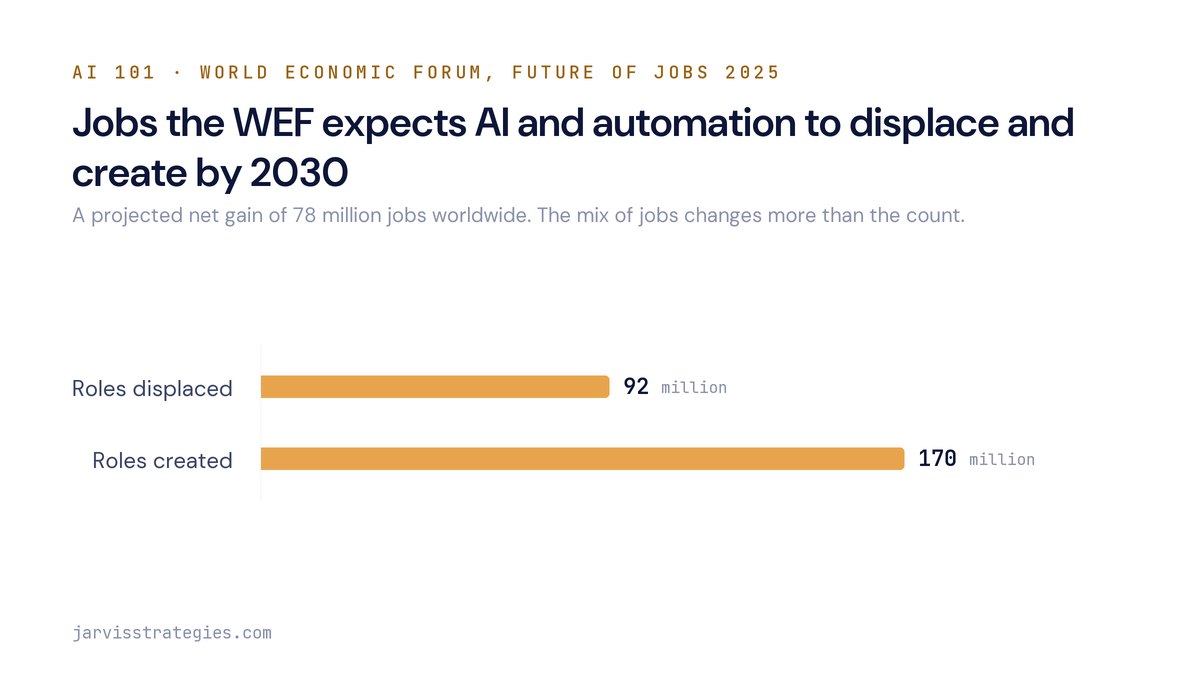 AI 101
Is AI Going to Take Your Job?
The WEF projects 92 million jobs displaced by AI and 170 million created. Here's what the numbers actually mean, and who's most at risk.
Read more →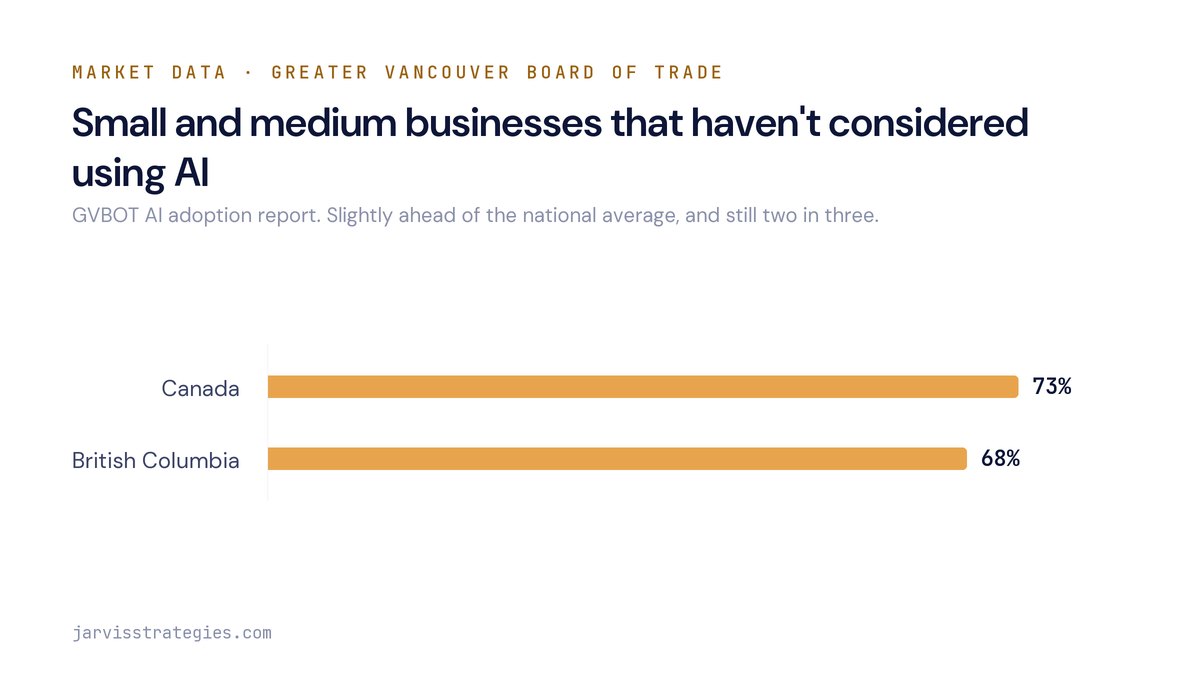 Adoption
73% of BC Businesses Haven't Thought About AI Yet
73% of Canadian small businesses haven't considered AI yet. Here's what the ones that have are doing with it, and what that means for Okanagan businesses.
Read more → AI 101
Don't Believe Everything the Robot Says
AI sounds confident even when it's making things up. Two habits that keep you from relying on bad answers.
Read more → AI 101
Five Minutes and a Free Account: Your First Real Conversation with AI
Opening your first AI account takes five minutes. Here's what to do once you're in, and how to have a conversation that's actually useful.
Read more →